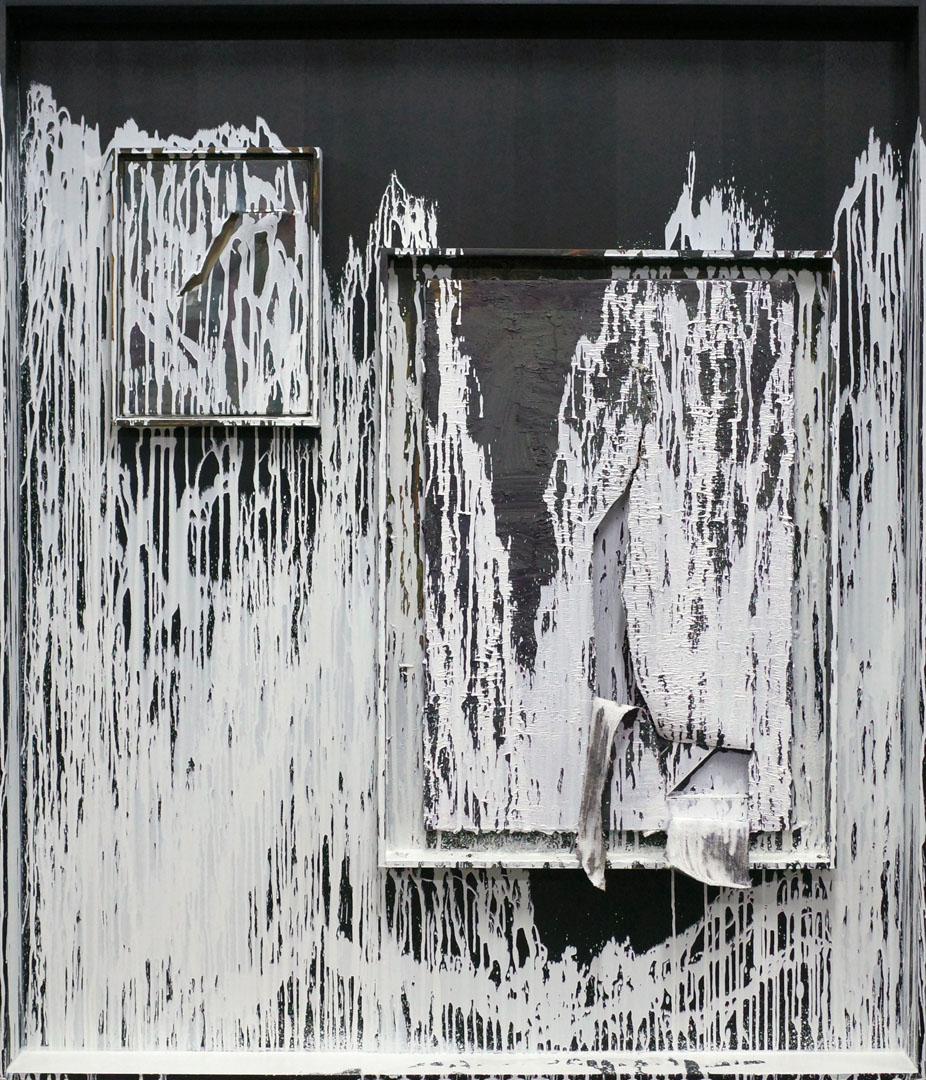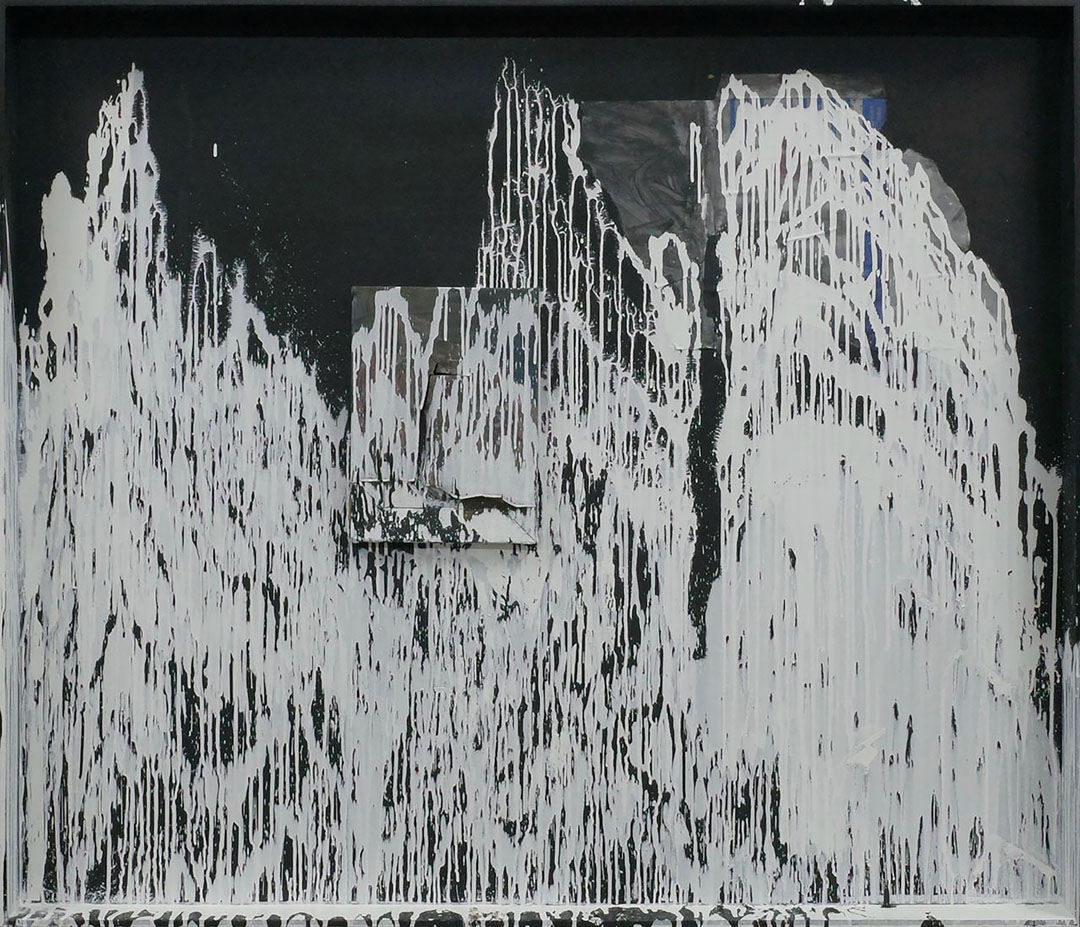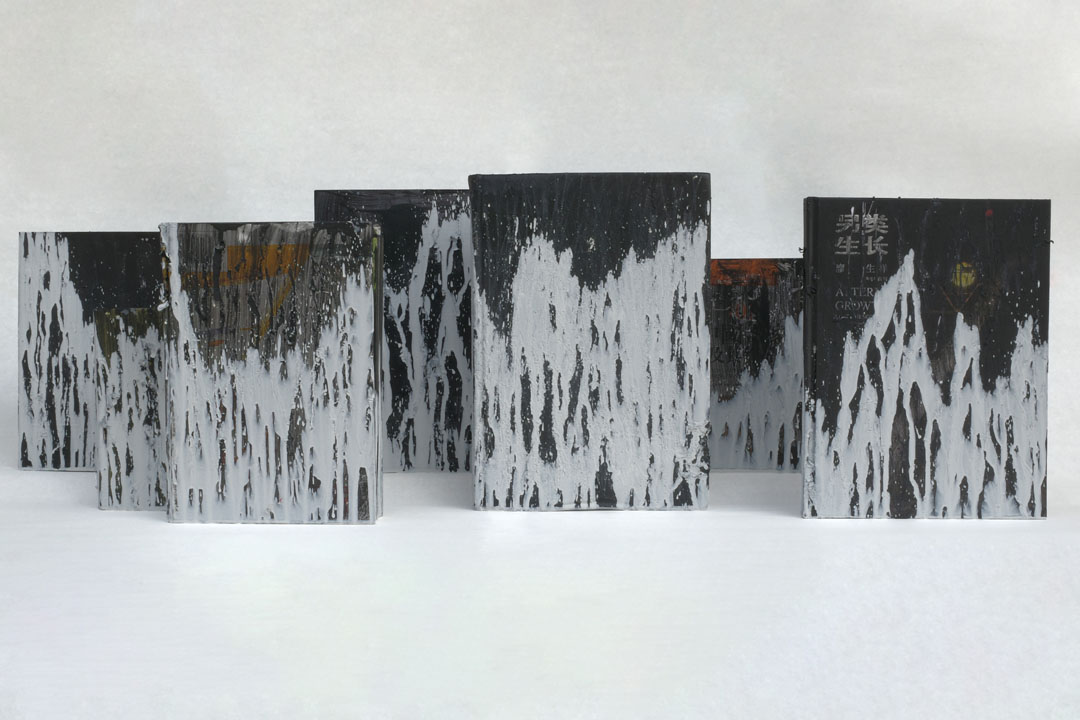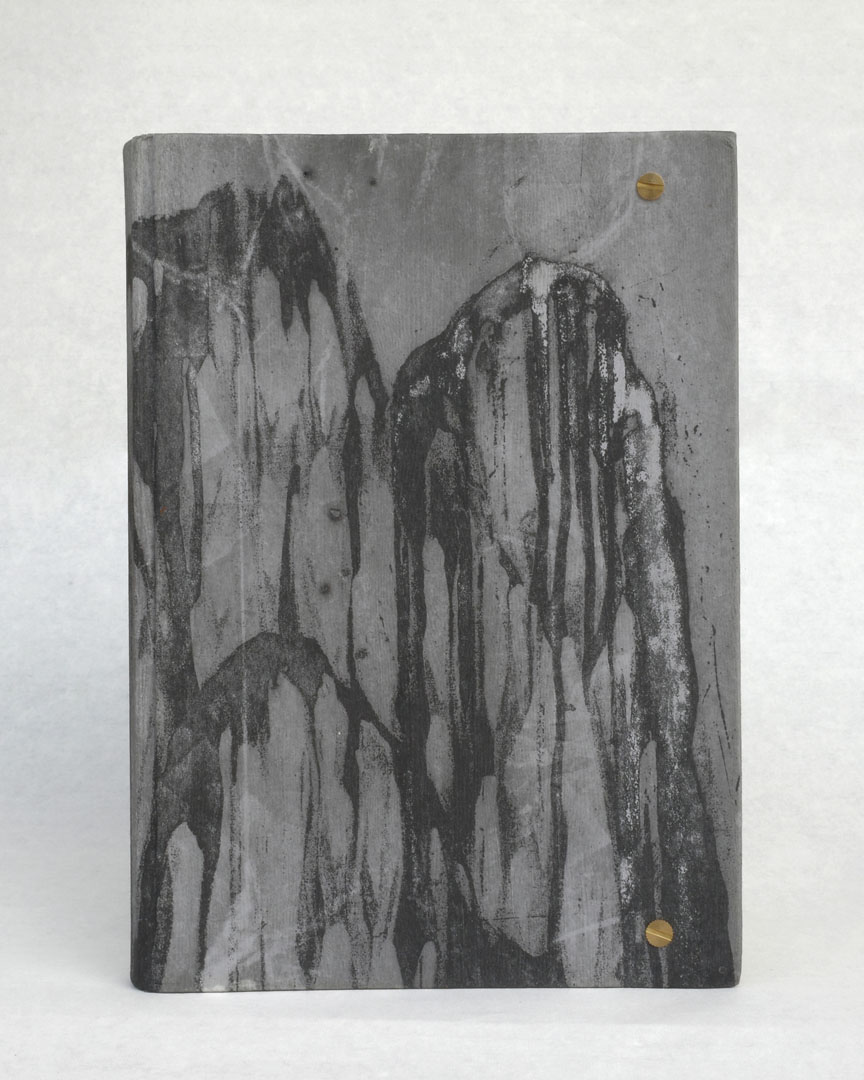
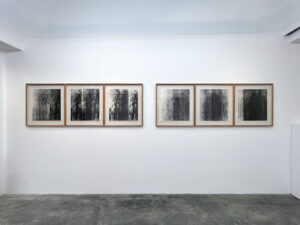
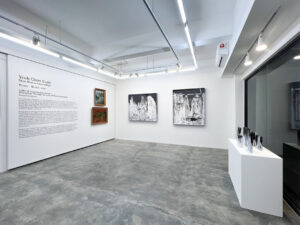
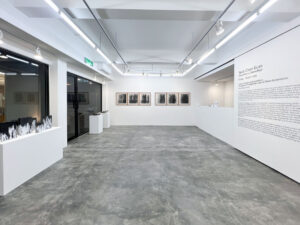
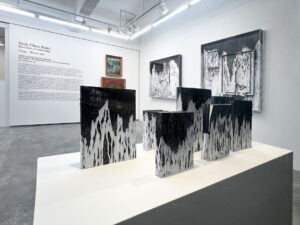
Richard Koh Fine Art is pleased to present Shan Shui as Camouflage, a solo exhibition by Yeoh Choo Kuan, at the gallery’s Kuala Lumpur space from 11 September to 18 October 2026. The exhibition is accompanied by an essay by Deborah Lim and includes, alongside Yeoh’s new work, two paintings by Liu Kang (1911–2004) and Cheong Laitong (1932–2022), on loan from a private collection.
The exhibition begins from a proposition about how shan shui actually operates. Classical Chinese landscape painting has never been a matter of copying what stands before the painter. Mountains and water are arranged, weighted, withheld and brought forward until the picture becomes a set of relationships rather than a view. Yeoh’s argument is that camouflage works to a similar logic. It does not make a form disappear so much as confuse the boundary between that form and its ground, allowing one to be read as the other.
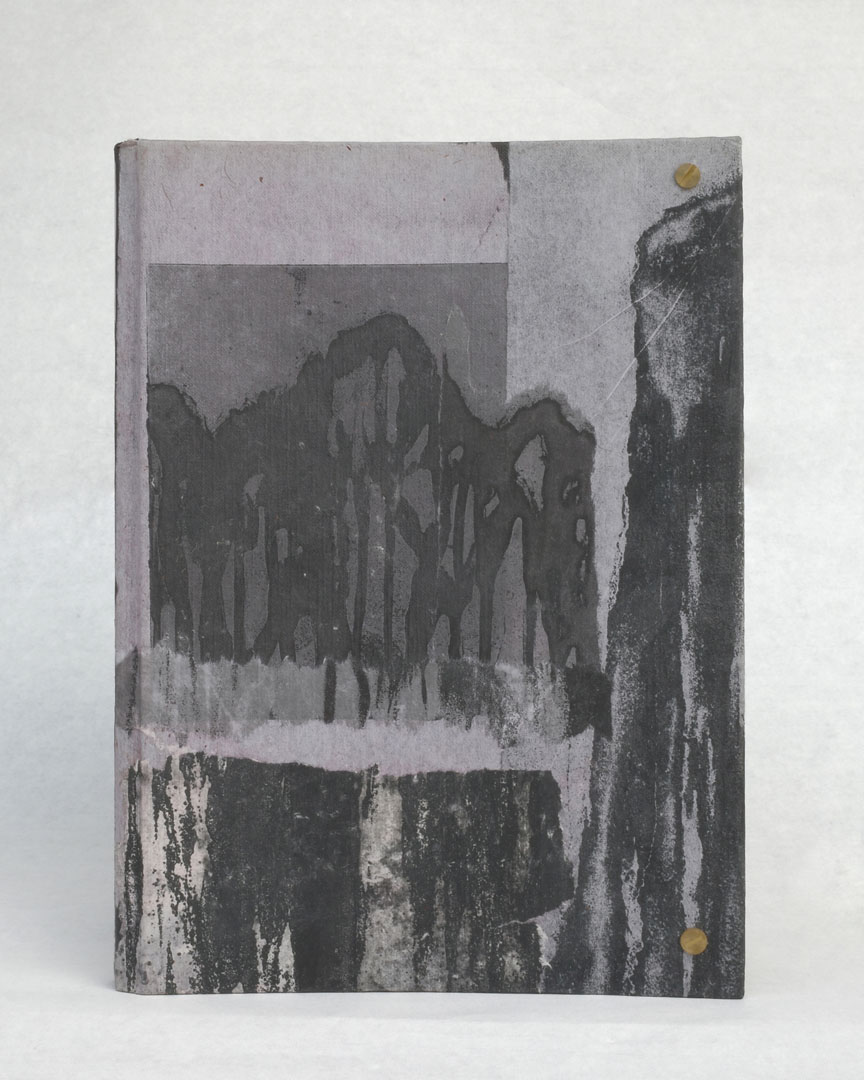
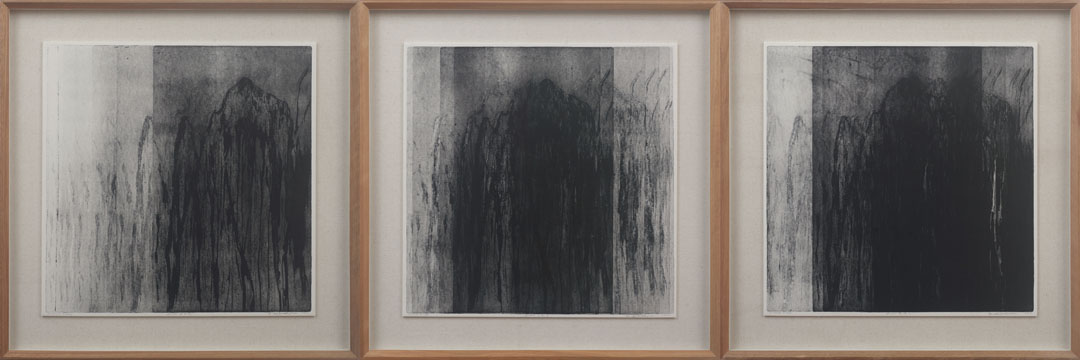
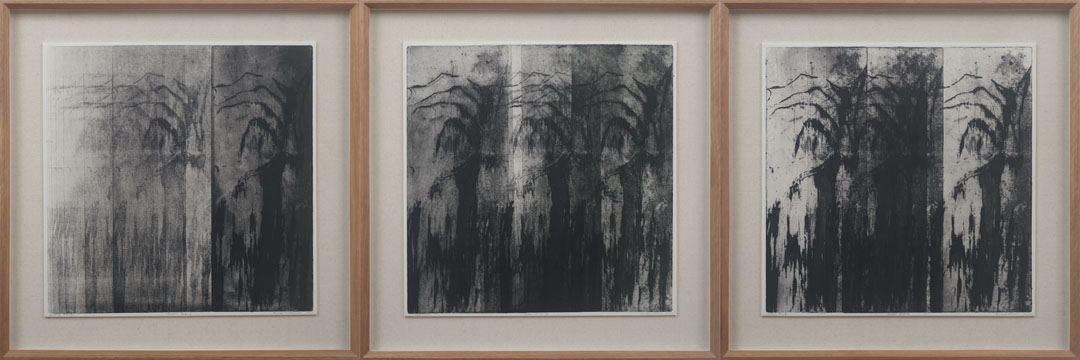
The paintings bring these two systems into the same field. Marks accumulate, repeat, bleed into one another, overlap and peel away. Geometric structures are laid down and then interrupted by looser gestures. One surface conceals another while making no secret of how it was built. A stain begins to suggest a mountain, a drip resolves into water, a fold reads as a cliff face, and repetition turns pattern into terrain before the reading slips and the surface becomes abstract again. The method, which Yeoh has called fleshing abstraction, spills, drips and scratches paint across heavily textured surfaces, departing sharply from the conventions of the tradition it draws on. Running alongside the spiritual register is a persistent interest in rupture. Violence in these works sits less in the finished image than in the making of it, inscribed by gestures that build the landscape and disturb it in the same movement.
Yeoh’s earliest encounters with landscape took place not in nature but inside the painted interiors of Thai Buddhist temples in Kelantan, where he spent his childhood, among towering peaks, spiritual worlds and vivid depictions of the afterlife. Those temples were also places of remembrance, where grief, ritual and memory attached themselves to the painted worlds that first shaped his imagination. When he later came to the tradition of Chinese landscape painting, he recognised in it something already familiar. His question, as Deborah Lim frames it in her accompanying essay, is not how to modernise Chinese painting or reconcile it with tradition, but what shan shui can still mean in the twenty-first century.
Lim’s text sets that question against two earlier answers to it, both present in the exhibition. Liu Kang, a founder of the Nanyang style and one of the most significant figures in Singaporean art history, began painting Huangshan in the 1930s from memory and returned to the subject across his career, using the fabled mountain to bring a symbol of Chinese artistic tradition into a modern visual language. Cheong Laitong, who helped shape modern Malaysian art through the Wednesday Art Group and a bold gestural abstraction, turned to Huangshan only in 2002 and 2003, and titled the series The Spirit of Huangshan rather than simply Huangshan, seeking the mountain’s atmosphere and inner resonance rather than its appearance. Placed beside Yeoh’s new paintings, the two works make visible how differently the same landscape can be held, and how far the tradition can travel while remaining recognisable.
Camouflage, in Yeoh’s hands, is an act of transformation rather than concealment. He is interested in how little visual information the eye requires before it decides it is looking at a landscape, and whether a landscape can be present without ever being depicted. He treats shan shui less as a fixed historical aesthetic than as a way of organising sight, one capable of inhabiting materials and processes it was never intended for.
Huangshan, as Lim concludes, proves to be less a place to be represented than a site where tradition is continually renewed, each generation remaking the mountain according to its own historical moment and artistic language. The exhibition proposes that the landscape has not disappeared. It has learned to appear as something else.
YEOH CHOO KUAN (b. 1988, Malaysia) works with abstract painting as a strong foundation, extending into installation, with a practice that meets a sheer enjoyment of textures, mark making, and disintegration of the pictorial matter. In March 2026 he presented the twenty-metre installation Streaming Mountain (2018–2026) in the Encounters sector of Art Basel Hong Kong. Recent solo exhibitions include Once Broken, Considered Soul (2025) and What Makes A Mountain (2023), both at Richard Koh Fine Art, Singapore.
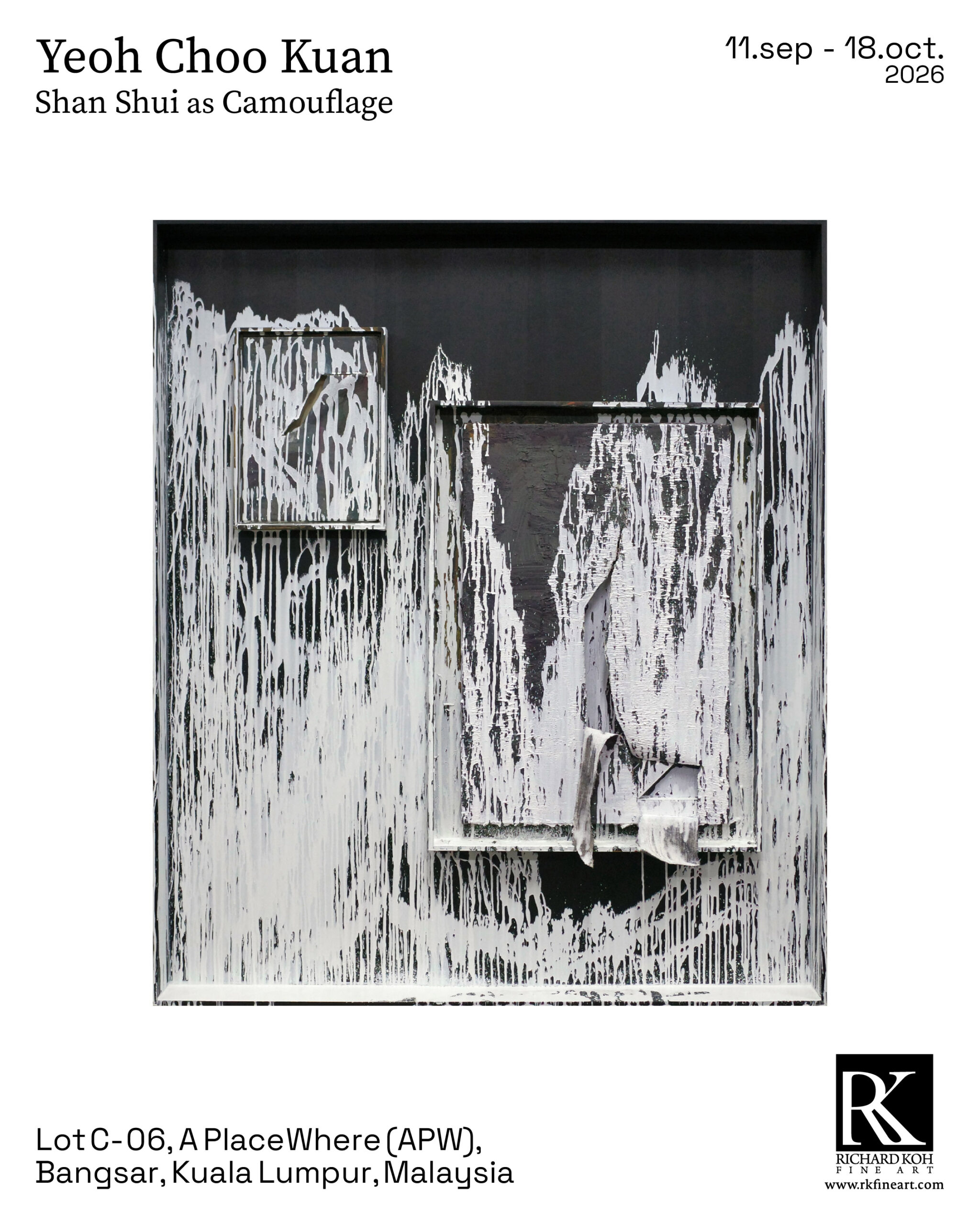
Yeoh Choo Kuan – Shan Shui as Camouflage
11 September - 18 October 2026
Richard Koh Fine Art,
Lot C-06, A Place Where (APW),
29, Jalan Riong, Bangsar,
59100 Kuala Lumpur, Malaysia
Tuesday - Saturday, 11 am - 7 pm
Closed on Sunday, Monday & Public Holiday